Mold and Asbestos Testing Near Me: What to Check Before Remodeling an Older Fresno Home
Planning a remodel in an older Fresno home? Learn when mold and asbestos testing makes sense, what inspectors sample, and why testing comes before demolition.
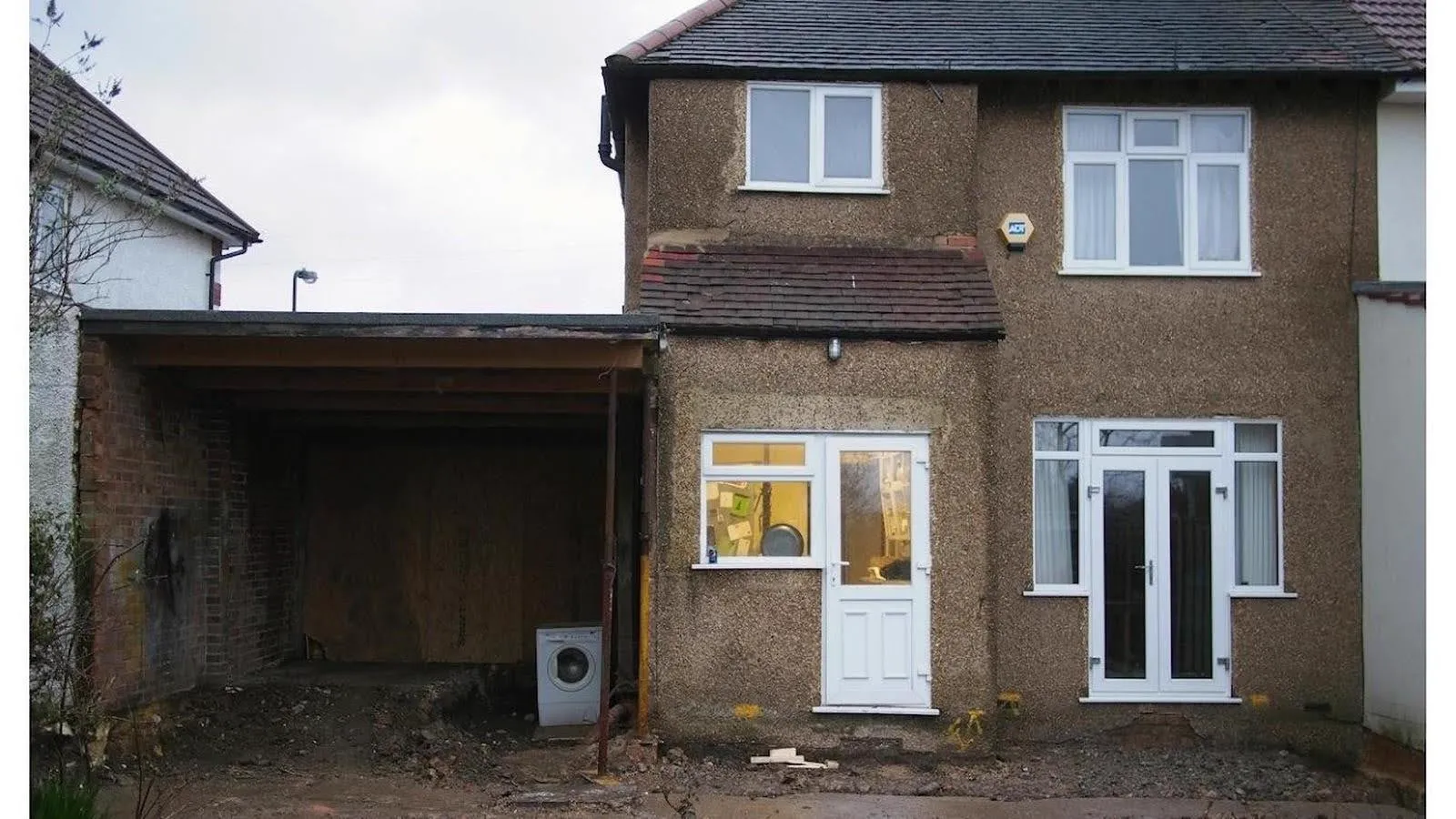
A kitchen remodel starts with exciting plans: new cabinets, better lighting, and maybe a wall coming down. But in an older home, opening a wall or removing flooring can reveal materials and moisture problems you could not see during planning.
If you are searching for "mold and asbestos testing near me," you are probably trying to answer two practical questions before demolition begins. Is there a moisture problem behind the finished surfaces? And could any of the materials you plan to disturb contain asbestos? Those are different questions, and the right inspection process treats them separately.
Why Mold and Asbestos Need Different Tests
Mold is fungal growth associated with moisture. An inspection looks for damp materials, leaks, visible growth, and, when appropriate, collects air or surface samples. The biggest priority is understanding where the moisture is coming from and what building materials may be affected.
Asbestos is a group of naturally occurring mineral fibers that were used in a range of older building products. You cannot confirm its presence by looking at a ceiling tile, floor tile, or pipe insulation. A trained, accredited professional may need to collect a material sample for laboratory analysis before planned work disturbs it.
When Should You Consider Testing Before a Remodel?
Testing is most relevant when you plan to cut, drill, scrape, remove, or otherwise disturb materials that could contain asbestos, especially in an older home. The EPA recommends evaluating suspicious material before renovation, not after demolition has begun.
For mold, consider an inspection when there is a known leak, a persistent musty odor, visible growth, or water damage in the spaces being remodeled. A renovation can be an opportunity to correct a moisture issue, but it should not start by disturbing questionable material without a plan.
Which Materials May Contain Asbestos?
Depending on a building's age and past renovations, suspect materials can include some acoustic ceilings, certain floor tiles and adhesives, pipe wrap, insulation, siding, and other construction products. The material's appearance does not prove the presence or absence of asbestos.
The EPA advises leaving suspect, undamaged material alone if it will not be disturbed. If renovation will disturb it, consult an accredited asbestos inspector about appropriate sampling. Do not scrape off a sample, sand the finish, or use a household vacuum on suspect dust.
Where Might a Remodel Reveal Hidden Mold?
Under sinks and inside cabinet walls
Long-standing plumbing leaks can wet the cabinet floor, wallboard, and framing. Swollen wood, persistent odor, or staining around supply and drain lines deserves investigation before new cabinetry hides the area again.
Behind bathroom tile or shower surrounds
Failed waterproofing, leaking grout joints, or damaged fixtures can leave water inside walls. Surface staining is not enough to determine how far the damage extends.
Below flooring and near exterior walls
Past leaks, condensation, or poor drainage can affect subfloors, baseboards, and insulation. A visual and moisture assessment can help decide whether material needs cleaning, drying, or replacement.
What Does a Professional Inspection Usually Include?
Start with a discussion of the remodel scope. The inspector should know which rooms and materials contractors plan to disturb. For suspected asbestos, trained personnel select appropriate materials for sampling and send them for qualified laboratory analysis.
For suspected mold, the assessment can include a walkthrough, moisture readings, photographs, and targeted sampling if it will inform the repair plan. Not every visible mold patch requires laboratory testing. The EPA notes that sampling is often unnecessary when visible mold is already present.
Should You Stop Renovation Work if a Suspicious Material Is Found?
Pause work that might disturb the suspicious material until a qualified professional assesses it. An asbestos-positive result does not automatically mean the entire home must be stripped. The next step depends on the material's condition, what work is planned, and applicable rules.
If asbestos-containing material needs removal or major repair, use properly qualified contractors and follow local requirements. California asbestos work can be subject to state and local air district rules, so the remodeling contractor should confirm which notices, permits, and procedures apply to the project.
What Happens When Testing Finds Mold?
The focus shifts to the water source and the extent of affected material. A minor problem on a washable surface may be addressed differently from extensive water damage inside walls. If a larger area is involved, professional remediation may be appropriate.
Do not seal damp or contaminated areas behind new finishes. The EPA recommends cleaning up mold and correcting the moisture issue so the problem is less likely to return.
Can One Company Help Coordinate Both Inspections?
Some inspection providers offer both mold and asbestos testing, but those services still use different sampling methods and may require different professional qualifications. Ask who will collect each sample, which laboratories will analyze it, and whether you will receive separate written findings.
Fresno Pure Maintenance lists mold testing and asbestos testing for homeowners in Fresno, Clovis, and nearby Central Valley communities. Its asbestos service describes minimal-disturbance sampling and laboratory reports to help homeowners plan renovation work. Positive asbestos results may require a separate licensed abatement professional.
FAQ
Do all older homes need mold and asbestos testing?
Not automatically. Testing decisions depend on what materials are present, their condition, whether they will be disturbed, and any moisture concerns.
Can I tell whether flooring has asbestos by looking at it?
No. Only appropriate laboratory analysis can confirm asbestos in a suspect material. Do not remove or cut it to investigate on your own.
Is asbestos the same thing as black mold?
No. Asbestos is a mineral fiber, while mold is fungal growth associated with moisture. They require different inspection and remediation approaches.
Should I test a bathroom before removing old tile?
If older flooring, adhesive, backing, or other material may contain asbestos and will be disturbed, an accredited inspector can advise on sampling before removal.
Will mold testing tell me whether asbestos is present?
No. Mold air or surface samples cannot identify asbestos-containing building materials. A separate material sampling method is needed.
Who removes asbestos if testing is positive?
When removal or major repair is necessary, it should be handled by qualified professionals under applicable California and local requirements.
Build a Safer Renovation Plan
Before demolition begins, review the age of the home, any history of water damage, and the materials the contractor expects to remove. If you have reason to suspect mold or asbestos, ask for an inspection that addresses the relevant materials and moisture conditions.
Fresno Pure Maintenance can provide a quote for inspection services and discuss what information your remodeling contractor needs before starting. Testing at the right stage helps avoid surprises when walls and floors are opened.